
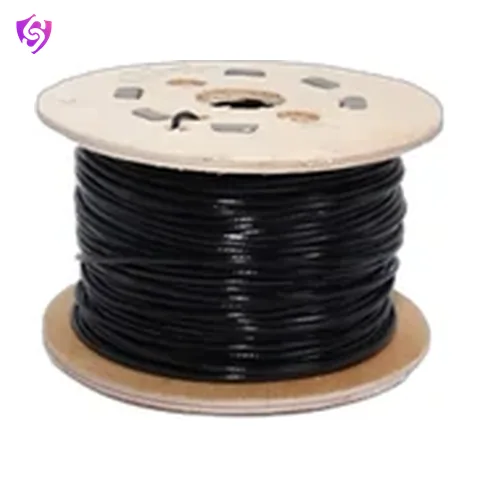






Cable Rope
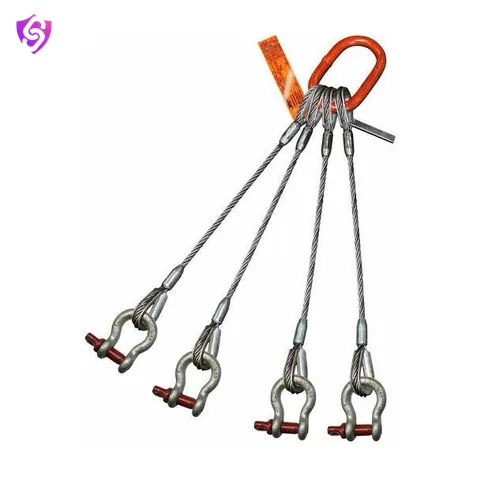
The term Cable Rope is often used interchangeably with wire rope.
DatasheetSpecifications, standards, care Asahi brochure- Test certificate available on request
Specifications
| Brand | Asahi |
|---|---|
| Steel Wires | The basic building blocks, spun together to create strands |
| Power Transmission | Used in some machinery to transmit mechanical power |
Key features
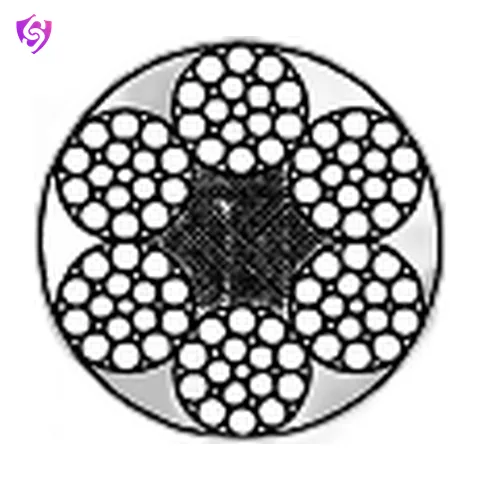
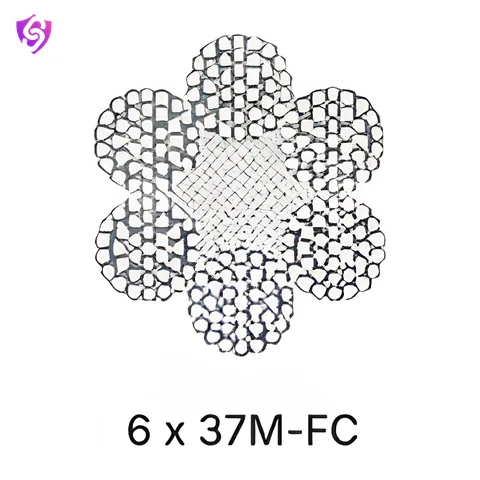
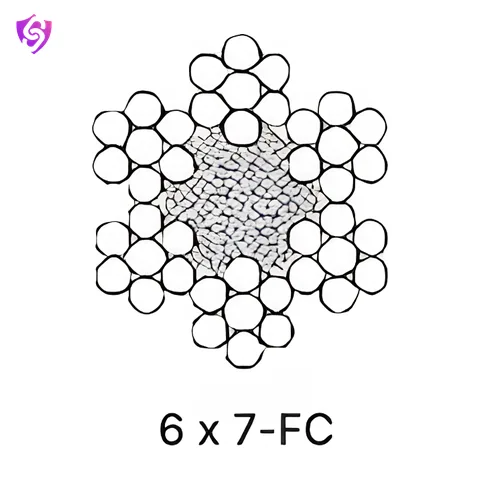
- Strands: Groups of steel wires twisted together, providing structural integrity.
- Core: A central element (which can be steel or fiber) around which the strands are wrapped, providing support and flexibility.
- Steel wire ropes are typically constructed by twisting individual wires to form strands, which are then wrapped around a central core.
- The number of strands and wires in each strand can vary depending on the intended use and required flexibility and strength.
- High Tensile Strength: Steel wire ropes can withstand significant loads without breaking.
- Flexibility: The construction allows the rope to bend and be handled easily, making it suitable for various applications.
- Resistance to Abrasion: The tightly twisted construction provides some protection against wear and tear.
- Corrosion Resistance: Galvanized or stainless steel wire ropes offer added protection against rust and corrosion.
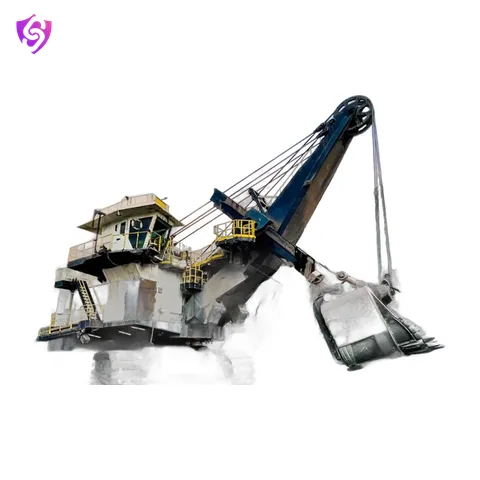
- Lifting and Hoisting: Commonly used in cranes, elevators, and other lifting equipment.
- Rigging: Used in various industries to secure and manipulate objects.
- Anchoring: Used in bridge construction and other applications requiring strong, reliable ropes.
Applications
- Cranes and hoists
- Winches and haulage
- Guying and structural work
- Sling making
Care and replacement
Keep rope lubricated and off the ground. Inspect for broken wires, reduced diameter, corrosion, kinks and bird-caging, and replace it when its maker's discard criteria are reached.
Related products
Bulk enquiry
Share quantity, sizes.
Enquiry received.
We will call or WhatsApp you shortly. Anything to add? Call +91 88804 80495.